
Mid-Summer Health Tips to Support Fertility and Wellness

As the summer heat peaks in New Mexico and Texas, it’s important to stay mindful of your health—especially if you’re trying to conceive or undergoing fertility treatments. At Caperton Fertility Institute, we’re committed to supporting your journey with expert care and personalized guidance. Here are our top mid-summer health tips to help you stay cool, healthy, and fertility-focused through the season. 1. Hydrate with Purpose The dry heat of Albuquerque and El Paso can lead to rapid dehydration, which may impact hormone balance and reproductive health. Aim for at least 8–10 glasses of water a day. Add slices of lemon, cucumber, or mint to enhance flavor and encourage regular hydration. 2. Optimize Your Summer Diet Fertility-friendly foods are rich in antioxidants, omega-3s, and folate. Incorporate: Seasonal fruits like berries, watermelon, and oranges Leafy greens and avocados Cold-water fish like salmon (low in mercury) Nuts and seeds Avoid sugary drinks and excessive caffeine, both of which can contribute to inflammation and hormonal disruption. 3. Time Outdoor Activities Wisely The intense afternoon sun in the Southwest can increase core body temperature, which may not be ideal during fertility treatments or early pregnancy. Plan walks, gardening, or exercise during cooler morning or evening hours, and always wear breathable clothing and sunscreen. 4. Practice Stress-Reducing Rituals Summer schedules can get hectic, but maintaining calm is crucial for hormonal balance. Incorporate: Gentle yoga or meditation Evening baths with Epsom salts Journaling or reading in a cool, quiet space These practices can improve sleep, support immune health, and enhance fertility outcomes. 5. Stay Informed and Connected Summer is a great time to check in with your fertility specialist, especially if you’re planning treatment in the fall. Whether you’re exploring IVF, IUI, or fertility preservation, our team in Albuquerque and El Paso is here to support you every step of the way. Plan Ahead with Caperton Fertility Institute Don’t let the summer heat slow down your fertility journey. Contact Caperton Fertility Institute to schedule a consultation or learn more about how we can help you prepare for a healthy, successful path to parenthood. Let’s make this summer count—toward your future family.
Fibroids and Fertility: What You Should Know

Uterine fibroids are a common concern for women of reproductive age, and while many are benign and symptom-free, others can significantly impact fertility and pregnancy outcomes. At Caperton Fertility Institute, with locations in Albuquerque, NM, and El Paso, TX, we provide expert care for patients navigating fibroids and fertility challenges. What Are Uterine Fibroids? Uterine fibroids, or leiomyomas, are non-cancerous tumors that grow within or around the uterus. They can vary in size, number, and location, which determines their impact on reproductive health. Fibroids are classified into four types: Submucosal Fibroids: Grow into the uterine cavity Intramural Fibroids: Develop within the uterine wall Subserosal Fibroids: Form on the outer surface of the uterus Pedunculated Fibroids: Attached to the uterus by a stalk How Fibroids Can Affect Fertility While not all fibroids cause fertility issues, certain types and locations are more likely to interfere with conception or pregnancy: Submucosal Fibroids: These are the most likely to impact fertility by distorting the uterine cavity, potentially preventing embryo implantation or increasing the risk of miscarriage. Intramural Fibroids: Large intramural fibroids can alter the uterus’ shape and decrease blood flow, which may affect embryo implantation. Fibroids Near the Fallopian Tubes: These can lead to tubal blockage, hindering sperm or egg passage. Cervical Fibroids: Rare but may impede sperm entry if located near the cervix. Common Symptoms of Fibroids Some patients with fibroids experience no symptoms, while others may notice: Heavy or prolonged menstrual bleeding Pelvic pain or pressure Pain during intercourse Frequent urination or constipation Recurrent miscarriages or infertility Many fibroids are discovered during a fertility evaluation or routine pelvic exam. Diagnosing and Treating Fibroids at Caperton Fertility Institute We utilize advanced imaging technologies, including high-resolution ultrasound and MRI, to accurately diagnose fibroids. Treatment plans are tailored based on your symptoms, fertility goals, and the specific characteristics of your fibroids. Treatment Options Include: Medical Management: Hormonal therapies to reduce symptoms Surgical Options: Myomectomy to remove fibroids while preserving fertility Minimally Invasive Procedures: Such as hysteroscopic or laparoscopic surgery for quicker recovery Your Fertility Journey Doesn’t End with a Fibroid Diagnosis A fibroid diagnosis doesn’t mean infertility. With personalized care and proper management, many women go on to have successful pregnancies. At Caperton Fertility Institute, our fertility specialists in Albuquerque and El Paso are here to support your journey every step of the way. Schedule a Consultation Today If you suspect fibroids may be affecting your fertility, don’t wait. Schedule a comprehensive consultation with our expert team and take proactive steps toward achieving your family-building goals.
Understanding Semen Analysis: What It Measures and What Abnormal Results Mean
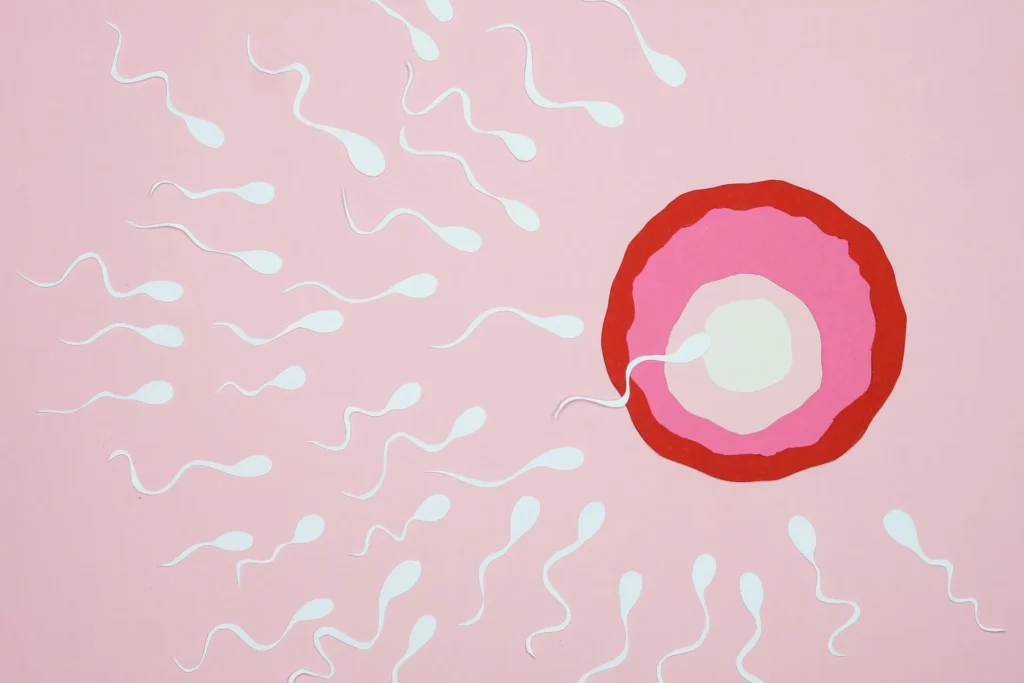
What Is a Semen Analysis? A semen analysis evaluates the health and viability of a man’s sperm. This non-invasive test measures multiple parameters that are crucial for successful conception: Volume The amount of ejaculate, with a typical normal range between 1.5 to 5 milliliters. Sperm Concentration The number of sperm per milliliter of semen. A normal sperm count is 15 million/mL or higher. Motility The percentage of sperm that are actively moving. A minimum of 40% motility is generally considered normal. Morphology The size and shape of sperm, assessed using strict criteria. A morphology score of 4% or more normal-shaped sperm is acceptable. pH Level Measures the acidity or alkalinity of semen, with a normal range from 7.2 to 8.0. White Blood Cells Elevated levels may signal infection or inflammation in the reproductive tract. Liquefaction Time Refers to how long it takes semen to liquefy after ejaculation. Normal liquefaction occurs within 20 to 30 minutes. What Do Abnormal Semen Analysis Results Mean? An abnormal result doesn’t automatically mean infertility. Semen quality can vary over time, so further testing is often needed to understand the full picture. Depending on the results, your provider may recommend: Repeat Semen Analysis: To confirm initial findings. Hormonal Testing: Evaluates hormone levels like testosterone, FSH, LH, and prolactin. Genetic Testing: For severely low sperm counts or azoospermia, this can reveal chromosomal abnormalities or Y chromosome deletions. Scrotal Ultrasound: Detects physical issues such as varicoceles or obstructions. Referral to a Urologist: For evaluation and management of urological or endocrine disorders. Tailored Treatment for Male Factor Infertility At Caperton Fertility Institute, we take a holistic and individualized approach to male infertility. Based on your specific diagnosis, treatment options may include: Lifestyle changes to improve sperm health Medical therapies to balance hormones or treat infections Intrauterine insemination (IUI) In vitro fertilization (IVF) with intracytoplasmic sperm injection (ICSI) Schedule a Fertility Consultation Today If you or your partner are considering fertility testing, our experienced team in Albuquerque and El Paso is here to support your journey. Schedule your consultation today to take the first step toward growing your family. Tags: Semen Analysis, Male Fertility, Sperm Count, Infertility Testing, Caperton Fertility Institute, Albuquerque Fertility, El Paso Fertility, IVF, ICSI, Male Factor Infertility
Understanding Pregnancy Loss: Common Causes and Myths

What Are the Most Common Causes of Pregnancy Loss? Miscarriage is more common than many people realize, affecting approximately 10% to 20% of known pregnancies. Most occur during the first trimester, and in many cases, they are beyond anyone’s control. Here are some of the leading causes: 1. Chromosomal AbnormalitiesThe most frequent cause of early pregnancy loss is genetic abnormalities during fertilization. These anomalies prevent the embryo from developing normally and are typically not linked to anything the parents did or didn’t do. 2. Hormonal ImbalancesConditions such as polycystic ovary syndrome (PCOS), thyroid disorders, or luteal phase defects can disrupt hormonal support essential for a healthy pregnancy. 3. Uterine or Cervical IssuesStructural concerns, including fibroids, polyps, or a septate uterus, can contribute to recurrent miscarriage or second-trimester losses. 4. Autoimmune DisordersConditions like lupus or antiphospholipid syndrome (APS) may cause the immune system to mistakenly target the developing embryo, leading to pregnancy loss. 5. InfectionsCertain infections, such as listeria, cytomegalovirus, and toxoplasmosis, may increase miscarriage risk if contracted during early pregnancy. 6. Lifestyle and Health FactorsSmoking, heavy alcohol use, and illicit drug use elevate the risk. Unmanaged chronic health conditions like diabetes or hypertension can also contribute. Common Myths About Pregnancy Loss Despite its frequency, miscarriage remains a topic filled with stigma and misinformation. Let’s dispel some of the most common myths: Myth: Stress Causes MiscarriageEveryday stress is a part of life and is not linked to miscarriage. While chronic, extreme stress can affect overall health, it’s not a primary cause of pregnancy loss. Myth: Exercise or Lifting Causes LossModerate physical activity is generally safe and often encouraged during pregnancy. Always follow your doctor’s guidance, but exercise alone is not a known cause of miscarriage. Myth: Miscarriage Is Always PreventableMost miscarriages are caused by genetic or biological factors that cannot be controlled. It is not your fault. Myth: It Only Happens OnceWhile many people experience only one loss, some have recurrent miscarriages, which may signal treatable underlying conditions. Myth: You Must Wait Months to Try AgainPhysically, many individuals can begin trying again after one normal menstrual cycle, though emotional readiness is unique to each person. Always consult with your fertility specialist. You Are Not Alone Experiencing pregnancy loss can feel isolating, but support and solutions are available. At Caperton Fertility Institute, we offer comprehensive evaluations, compassionate care, and advanced fertility treatments to uncover the causes and help guide your next steps. Whether you’re in Albuquerque or El Paso, our fertility specialists are here to support your path to parenthood. Contact us today to schedule a consultation. Tags: Pregnancy Loss, Miscarriage, Recurrent Miscarriage, Fertility Myths, Caperton Fertility Institute, Albuquerque Fertility, El Paso Fertility, IVF Support, PCOS, Autoimmune Pregnancy
How Age Affects Fertility: Understanding Your Reproductive Timeline

Learn how age impacts fertility for women and men. Discover facts about egg quality, sperm health, and fertility preservation options from Caperton Fertility Institute.
Understanding How Birth Control Works

As a fertility specialist, one of the most common concerns I hear from patients is whether their past or current use of birth control might affect their ability to conceive in the future. Whether you’re thinking about st
Asherman’s Syndrome and Fertility: What You Need to Know to Conceive
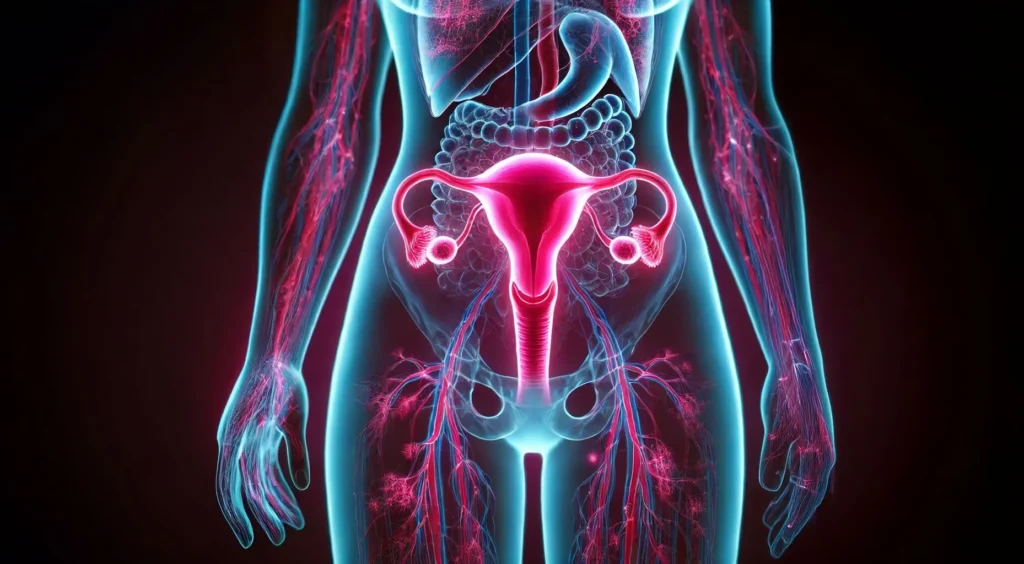
Asherman’s Syndrome and Fertility: What You Need to Know to Conceive
New Year, New Beginnings: Organizing and Decluttering Your Life for Fertility Success

As we ring in the New Year, there’s no better time to hit the reset button on our spaces, routines, and mindsets. For those on a fertility journey, creating a calm and organized environment can positively impact your men
Do Different Methods of Birth Control Impact Fertility?

Birth control methods are designed to prevent pregnancy in a variety of ways. Some stop ovulation, others create barriers to prevent sperm from reaching the egg, and some alter the uterine environment to prevent implanta
Top 10 Fertility Myths with Dr. Marika Raff and Dr. Lee Caperton
Fertility is a deeply personal journey, and with so much information circulating online and through word of mouth, it’s easy to get caught up in myths and misconceptions. That’s why Dr. Marika Raff and Dr. Lee Caperton,